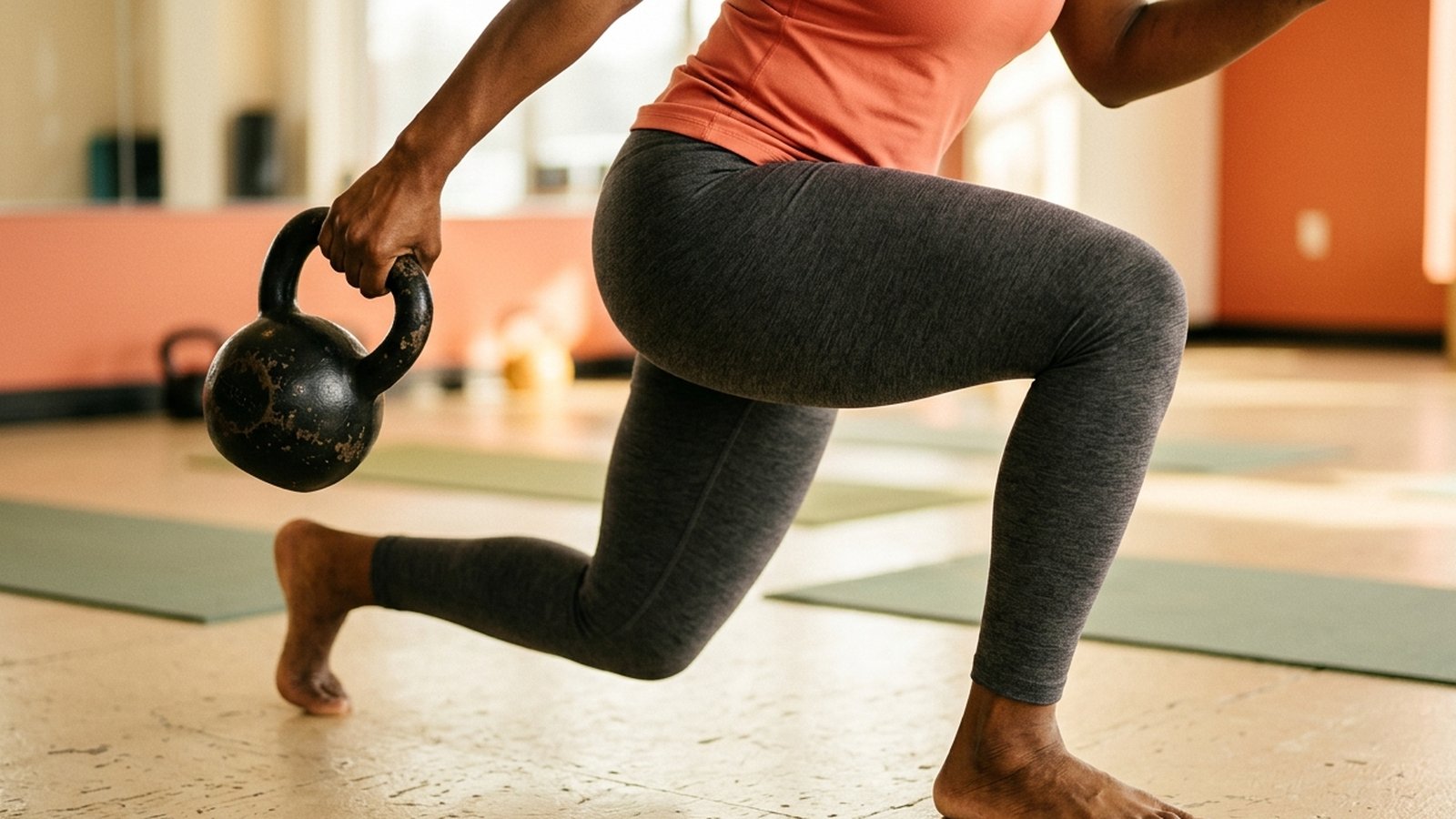
Without proper support, breast tissue can move up to 14 cm vertically during running, causing pain, ligament damage, and reduced performance. Most women wear the wrong size.
💡 Why this matters
A properly fitted sports bra is one of the most performance-impactful, often-overlooked pieces of athletic apparel. The difference between supportive and unsupportive is measurable — in pain, in performance, and in long-term tissue health.
Why proper support matters
During running, the unsupported breast moves vertically up to 14 cm. Repeated cycles of that displacement stretch the Cooper's ligaments — the supportive collagen network within breast tissue — which do not regenerate. Over years this contributes to sagging and persistent exercise-related pain (McGhee & Steele, 2010).
Most women wear the wrong size
Multiple population studies have found 70–85% of women wear an incorrectly sized bra. The most common errors: band too loose (most support comes from the band, not the straps), cup too small, straps adjusted incorrectly. The University of Portsmouth's Research Group in Breast Health is the global authority on this — their evidence-based guidance is used by elite athletes worldwide.
Encapsulation vs. compression
For most women, encapsulation (separate cups for each breast) outperforms compression (smashing both together) for medium and high-impact activities, particularly in C-cup and larger sizes. Compression can be sufficient for low-impact training but limits support at higher impact.
Practical fitting guide
- Get fitted by a knowledgeable retailer the first time — most women will be surprised by their actual size
- The band should be firm but not painful, parallel to the floor when worn
- Cups should fully contain the breast with no spillage; underwire (where used) should sit on the rib, not on tissue
- Straps should be firm but not the primary support — adjustable
- Do the bounce test: jump up and down at the fitting; should feel solid and stable
When to replace
Replace every 6–12 months of regular use (or sooner if you train daily). Elastic in the band loses tension over wash cycles. The most-used markers of an expired bra: the band rides up, the cups gap, or the straps need to be tightened to maximum to feel supportive.
Breast pain is a barrier to exercise for many women, and is largely preventable with correctly fitted, evidence-based supportive bras.Source: McGhee & Steele (2010), Journal of Science and Medicine in Sport, University of Wollongong.
By the numbers
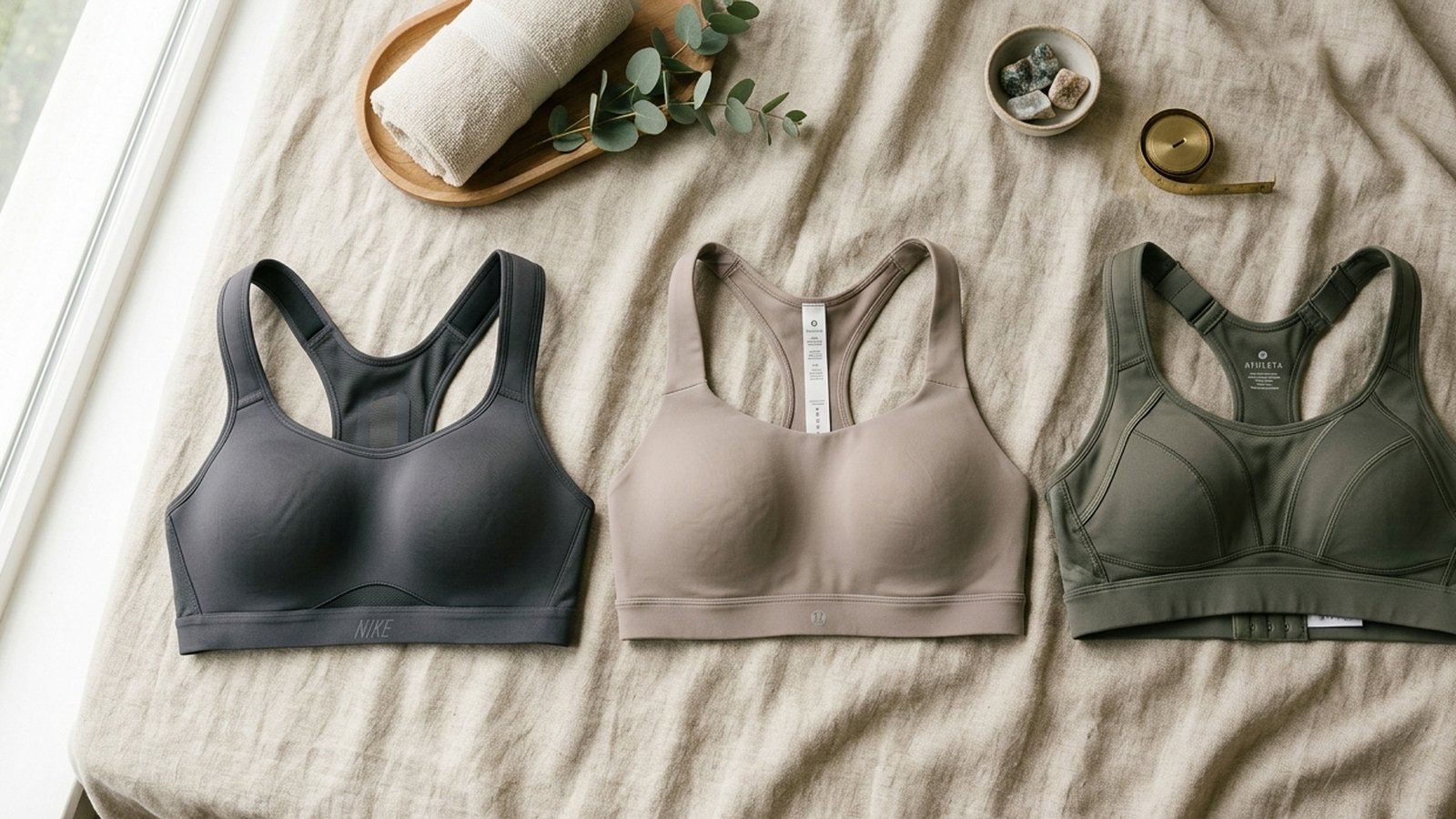
Encapsulation styles outperform compression for medium and high-impact training.
References
- McGhee, D. E., & Steele, J. R. (2010). Optimising breast support in female patients through correct bra fit. Journal of Science and Medicine in Sport, 13(6), 568–572. View source →
- University of Portsmouth Research Group in Breast Health. View source →