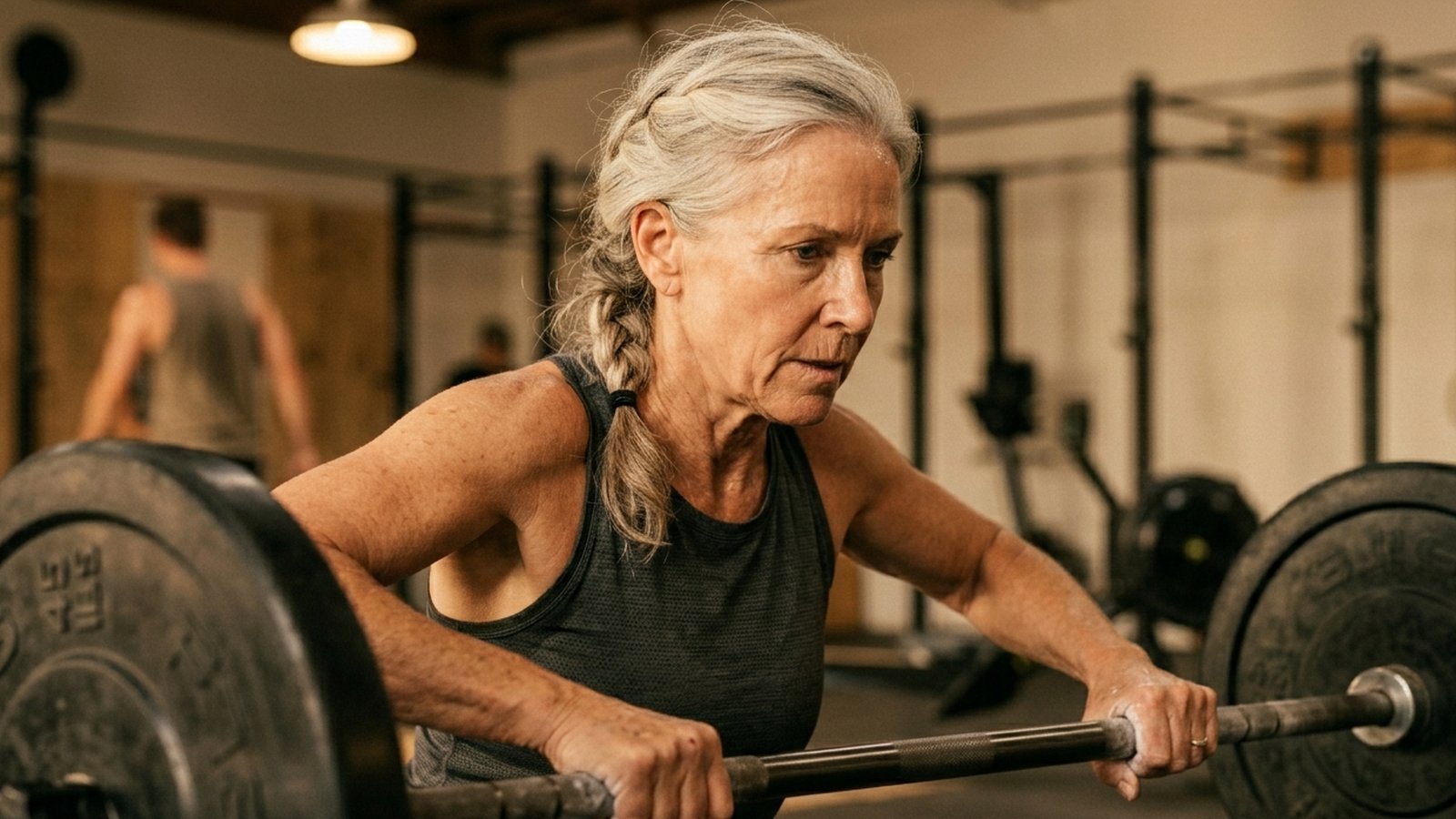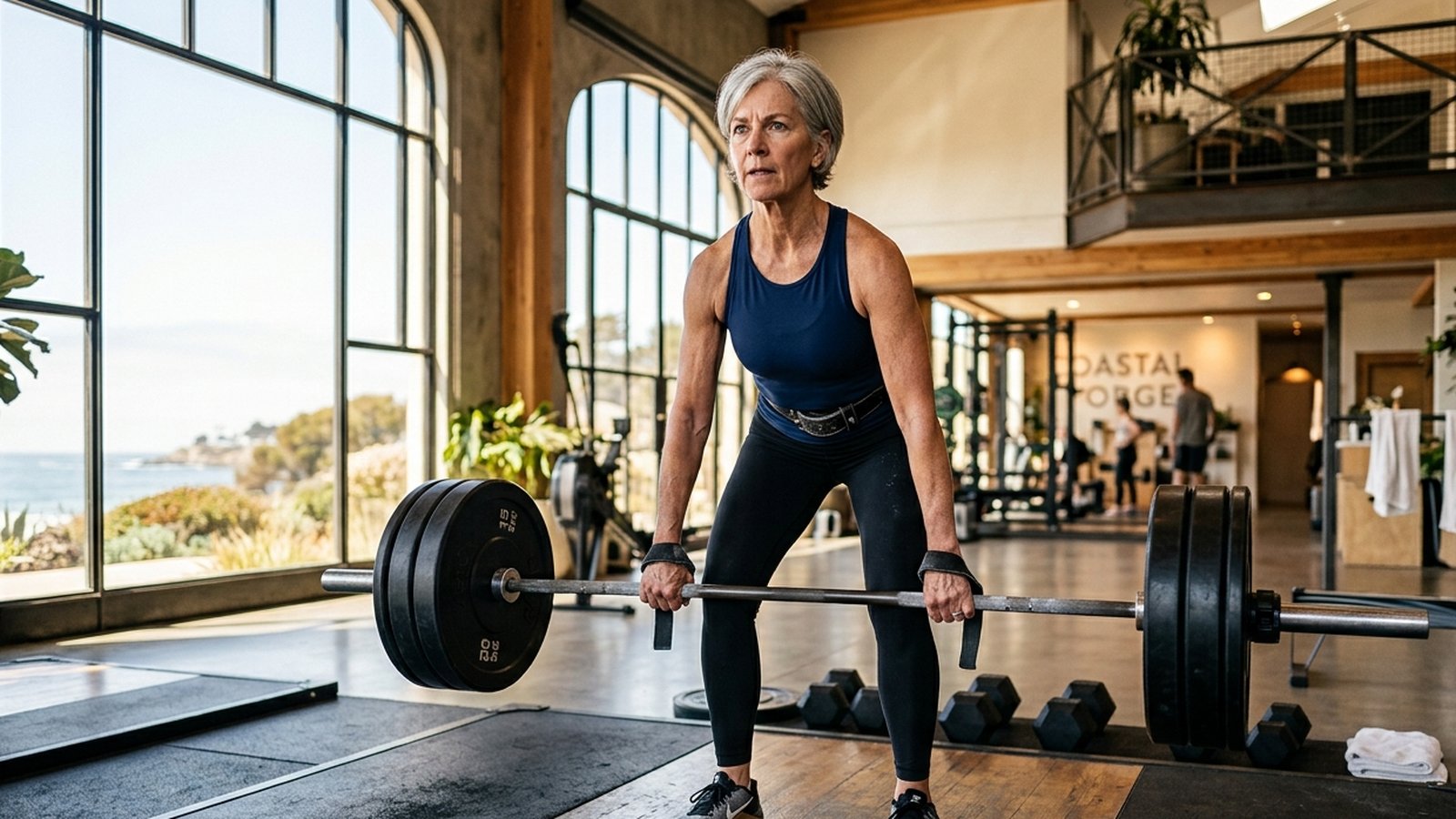
Sarcopenia — the slow loss of muscle that begins in your 30s and accelerates after 60 — is one of the strongest predictors of frailty and shortened lifespan. Resistance training is the only intervention with consistent evidence to reverse it.
💡 Why this matters
After age 50, adults lose roughly 1–2% of muscle mass per year unless they actively resist it. Resistance training — even twice a week — reliably preserves muscle, bone density, balance, and metabolic health. The published evidence is unambiguous and the dose is modest.
What sarcopenia actually is
Sarcopenia is the technical name for age-related muscle loss. It begins in the 30s, progresses through midlife, and accelerates after 60. Without active resistance, most adults lose roughly 1 to 2% of muscle mass per year after age 50, and twice as much during periods of inactivity (Phillips et al., 2020).
The downstream cost is considerable. Lower muscle mass means lower metabolic rate, poorer glucose handling, weaker bones, slower reactions, and a sharply higher risk of falls.
What the research shows
The Cochrane review of 121 trials of progressive resistance training in older adults concluded the intervention reliably improves physical function, gait speed, and self-reported quality of life (Liu & Latham, 2009).
For bone density, high-intensity resistance training is the most consistently effective non-pharmaceutical intervention in postmenopausal women (Kemmler et al., 2020).
How much, how heavy, how often
The ACSM and WHO both recommend at least two days per week of muscle-strengthening activity (WHO, 2020). For real adaptation, work in a range where the last two reps feel hard. 8–12 repetitions per set, 2–4 sets per exercise, six to eight major movement patterns covered weekly. Compound lifts give the highest return per minute.
It is never too late
Frontera et al.'s landmark study of nursing-home residents over 90 showed measurable strength and walking-speed gains after 10 weeks of supervised resistance training (Fiatarone et al., 1994). The body responds to load at every age, provided the load is progressive and supervised.
Pair it with protein
Resistance training is the stimulus; protein is the building material. The PROT-AGE Study Group recommends 1.0–1.5 g/kg/day for adults over 65. See our complete protein guide.
Skeletal muscle is the largest endocrine organ in the body, and resistance training is the most powerful, evidence-based way to maintain it through life.Summary of published work by Dr. Stuart Phillips, McMaster University. Source: Phillips et al. (2020), Age and Ageing.
By the numbers
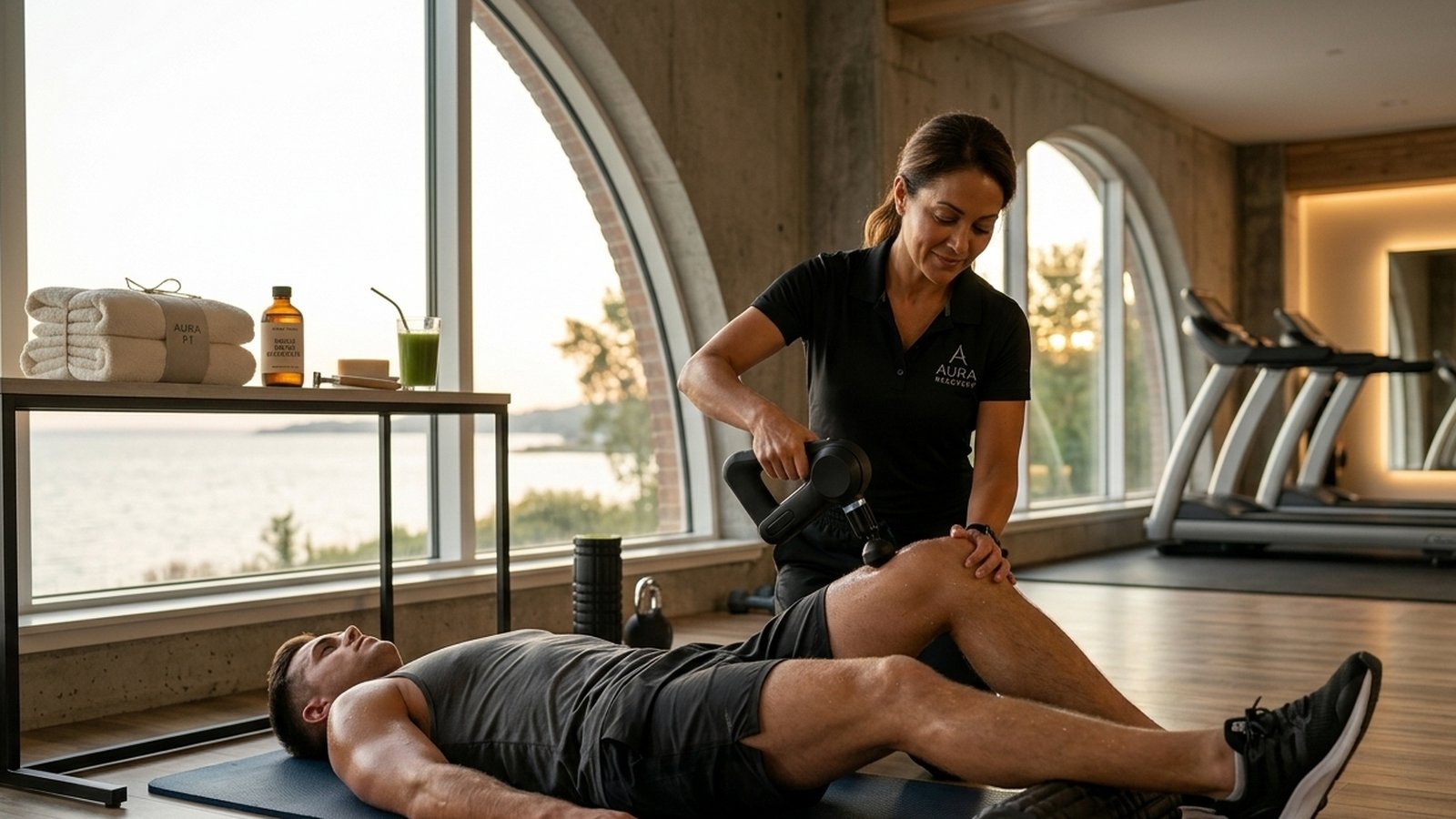
Coach-led training has the strongest adherence outcomes. Most adults who maintain training into their 70s do it in a small group setting.
References
- Fiatarone, M. A., O'Neill, E. F., Ryan, N. D., et al. (1994). Exercise training and nutritional supplementation for physical frailty in very elderly people. NEJM, 330(25), 1769–1775. View source →
- Liu, C. J., & Latham, N. K. (2009). Progressive resistance strength training for improving physical function in older adults. Cochrane Database, (3), CD002759. View source →
- Kemmler, W., Shojaa, M., Kohl, M., & von Stengel, S. (2020). Effects of different types of exercise on bone mineral density in postmenopausal women: a systematic review. Osteoporosis International. View source →
- Phillips, S. M., Paddon-Jones, D., & Layman, D. K. (2020). Optimizing adult protein intake during catabolic health conditions. Age and Ageing. View source →
- World Health Organization. (2020). WHO guidelines on physical activity and sedentary behaviour. View source →