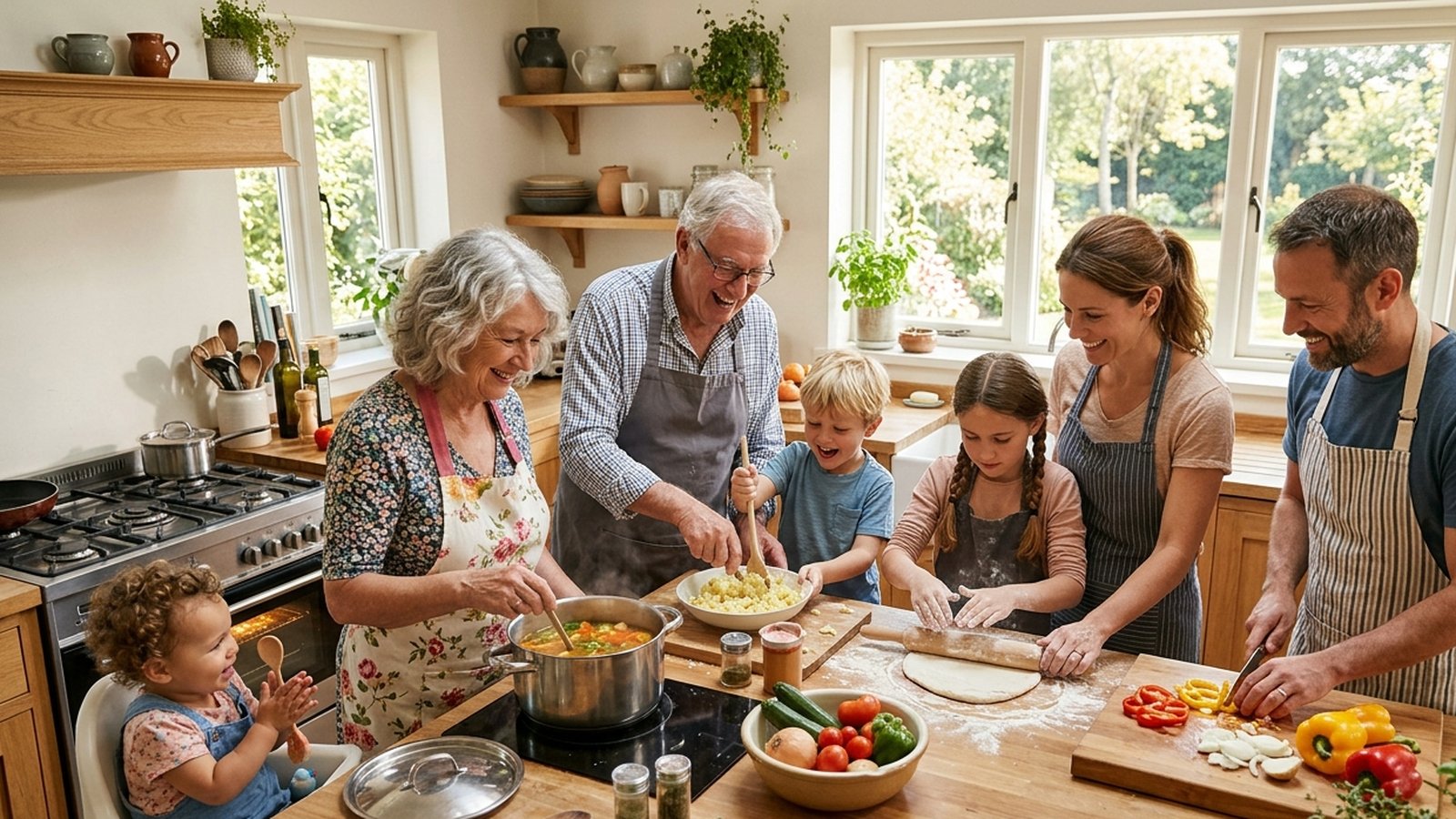
The single biggest predictor of a child's lifelong fitness habits is what they see at home. Children with active parents are 5.8 times more likely to remain active themselves into adolescence.
💡 Why this matters
Children model what they see, not what they're told. Active parents reliably raise active kids — and the relationship is dose-dependent: the more active the parent, the more active the child.
The 1991 Framingham finding
Moore and colleagues followed 100 children aged 4–7 alongside their parents in the Framingham Children's Study. After adjusting for confounders, the effect of parental activity on child activity was striking: children of active mothers were 2× more likely to be active; children of active fathers, 3.5×; children with two active parents, 5.8× (Moore et al., 1991).
Why modeling beats lecturing
Children learn what to value by watching what their adults prioritise. A parent who watches sports is more likely to raise a child who values sports. A parent who actively plays sports is much more likely to raise a child who plays them. The behavioural literature is clear: imitation > instruction in this domain.
Practical takeaways
- Move with them, not at them. Walk after dinner together. Bike to the park.
- Limit recreational screen time for parents too — kids notice.
- Make it social. Coach-led group classes hit physical, cognitive, and social buckets.
- Avoid early specialisation. Variety builds athletes; specialisation increases injury and burnout (Jayanthi et al., 2015).
- Cook together. Kids who help cook eat more vegetables.
The brain side
Childhood physical activity reshapes the developing brain — larger hippocampi, denser gray matter, better executive function (Hillman et al., 2014). See our full youth-fitness guide.
Family classes at Beachside
Our Yoga Together (Baby & Me) and family-friendly seasonal sessions exist precisely for this reason. Bring your kids; they will see you doing it.
Children of active mothers are twice as likely to be active and children of active fathers are 3.5 times as likely to be active as children whose parents are inactive. When both parents are active, children are 5.8 times more likely to be active.Source: Moore et al. (1991), The Journal of Pediatrics.
By the numbers
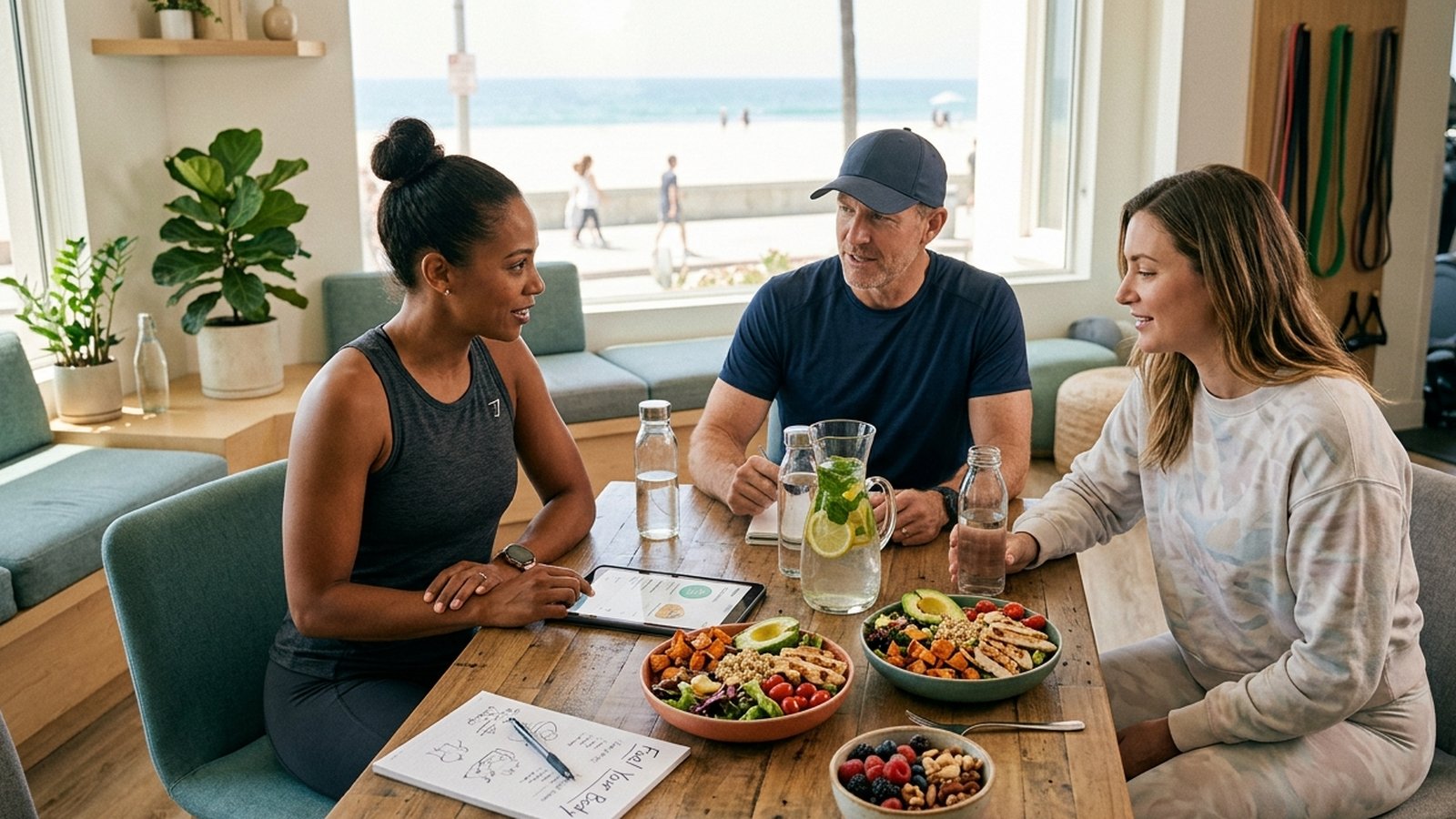
The most influential workout you ever do may be the one your kids see.
References
- Moore, L. L., Lombardi, D. A., White, M. J., et al. (1991). Influence of parents' physical activity levels on activity levels of young children. The Journal of Pediatrics, 118(2), 215–219. View source →
- Jayanthi, N. A., et al. (2015). Sports-specialized intensive training and the risk of injury in young athletes. American Journal of Sports Medicine, 43(4), 794–801. View source →
- Hillman, C. H., Pontifex, M. B., Castelli, D. M., et al. (2014). Effects of the FITKids randomized controlled trial. Pediatrics, 134(4), e1063–e1071. View source →