Cortisol is essential — it gets you out of bed and helps you respond to threats. But chronic elevation, the hallmark of unmanaged modern stress, breaks down muscle, blunts the immune system, and disrupts sleep.
💡 Why this matters
Chronic stress elevates cortisol over the long term, which is catabolic — it breaks down muscle and impairs recovery. Exercise paradoxically both stimulates and regulates cortisol; consistent training lowers chronic baseline levels.
What cortisol actually does
Cortisol follows a daily rhythm — peaks in early morning, declines through the day. Acute spikes are healthy and necessary. The problem is chronic elevation: when stress signals never resolve and cortisol stays elevated for weeks, the catabolic machinery dominates over anabolic recovery.
How chronic stress quietly stalls progress
Sustained cortisol breaks down muscle protein, suppresses immune function, raises blood sugar (and insulin to deal with it), narrows blood vessels, and disrupts sleep architecture (McEwen, 2007). The result is the all-too-common pattern: training hard, eating well, sleeping poorly, and seeing no progress.
Exercise as both stressor and regulator
Acute training elevates cortisol — that's normal. The chronic adaptation is the opposite: regular moderate-to-vigorous exercise reliably lowers baseline cortisol over weeks and months. The dose-response curve is flatter for stress mitigation than for fitness — meaning even modest activity produces measurable cortisol benefit.
What actually helps
Sleep is the highest-leverage cortisol intervention. Walking outdoors in morning light. Consistent meal timing. Resistance training (2–4×/week) over excessive endurance volume. Slow nasal breathing and short mindfulness practices show measurable effects (Russo et al., 2017).
When to seek help
If chronic fatigue, sleep disruption, or persistent low mood last more than 3–4 weeks, talk to a physician. Burnout is now a recognised clinical syndrome — see our work-life balance guide.
Allostatic load, the wear and tear on the body produced by chronic stress, is among the most powerful predictors of cardiovascular and metabolic disease in modern populations.Source: McEwen (2007), Physiological Reviews.
By the numbers
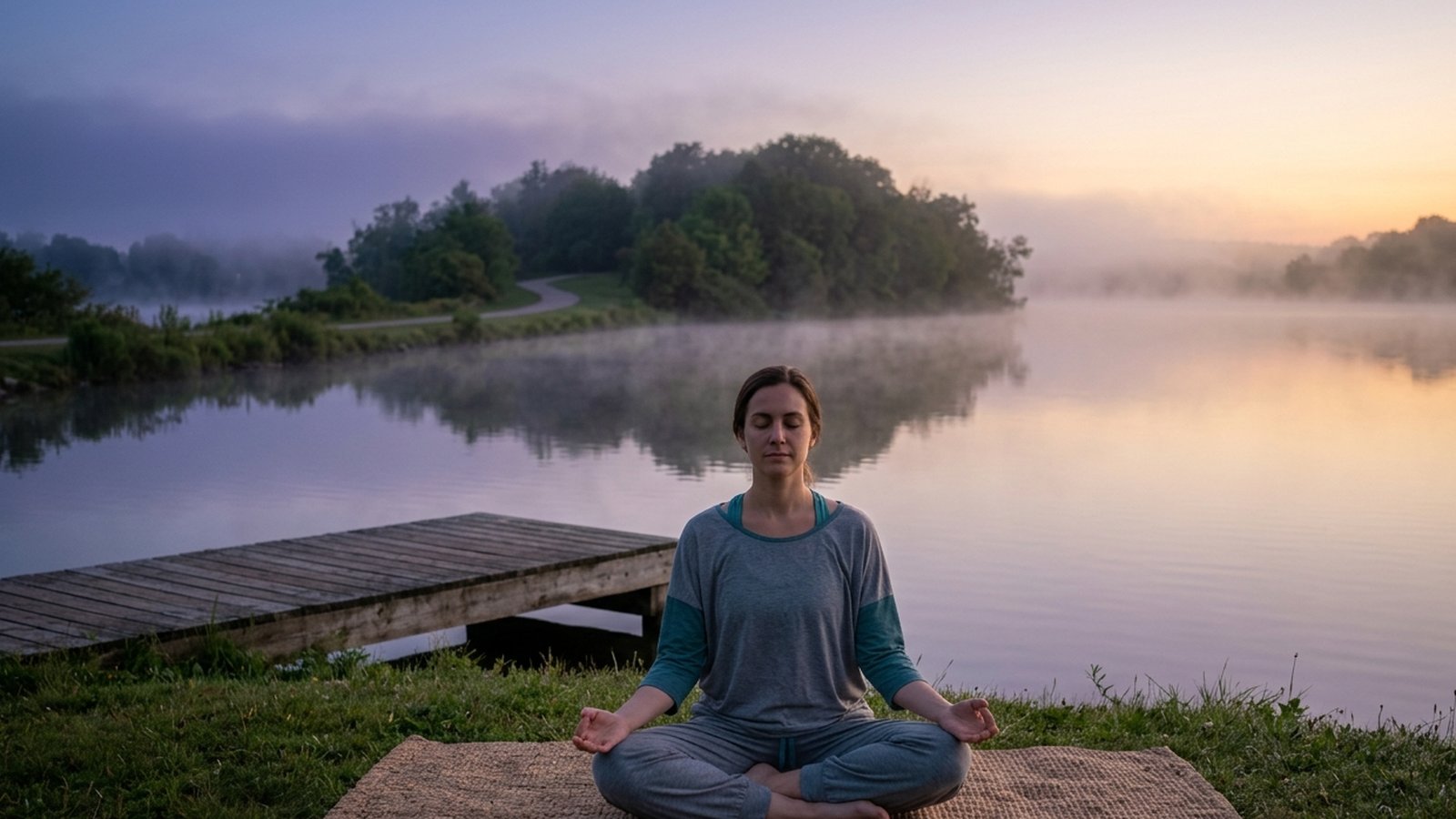
Outdoor morning light is among the strongest cortisol-rhythm regulators known.
References
- McEwen, B. S. (2007). Physiology and neurobiology of stress and adaptation: central role of the brain. Physiological Reviews, 87(3), 873–904. View source →
- Russo, M. A., Santarelli, D. M., & O'Rourke, D. (2017). The physiological effects of slow breathing in the healthy human. Breathe, 13(4), 298–309. View source →
- Sapolsky, R. M. (2004). Why Zebras Don't Get Ulcers. Henry Holt. View source →