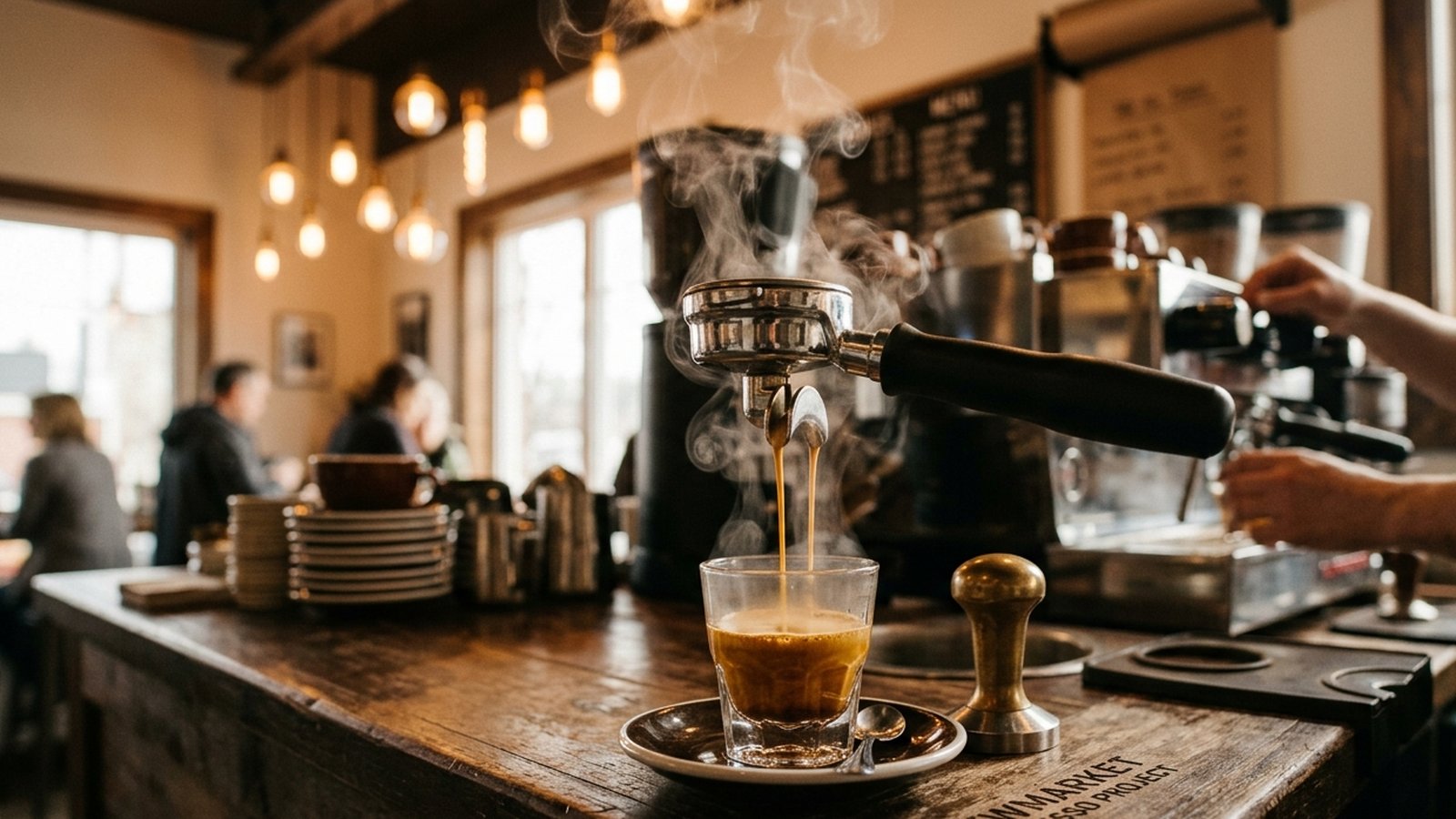
A 2020 umbrella review in the British Journal of Sports Medicine pooled 21 meta-analyses and concluded caffeine reliably improves endurance, strength, power, and reaction time across virtually every sport tested.
💡 Why this matters
Caffeine is the most well-supported ergogenic aid in human sports nutrition. Doses of 3–6 mg/kg taken 30–60 minutes before training reliably improve endurance, strength, and reaction time. The evidence is strong enough that elite anti-doping bodies have considered banning it.
What caffeine does
Caffeine blocks adenosine receptors in the brain, which delays the perception of fatigue. It also raises calcium release in muscle cells, increasing force production. Both mechanisms are well-established and dose-dependent.
What 21 meta-analyses concluded
The Grgic 2020 umbrella review pooled the meta-analytic evidence across endurance, strength, power, sprint, and reaction-time performance. Caffeine reliably improved performance in every category at the typical performance dose of 3–6 mg/kg taken 30–60 minutes pre-exercise (Grgic et al., 2020).
Dosing
- 3–6 mg per kilogram of body weight, 30–60 minutes pre-training
- For a 70 kg adult: ~210–420 mg (about 2–4 cups of strong coffee)
- Tablets give precise dosing; coffee works just as well if your gut tolerates it
- Diminishing returns above ~6 mg/kg; side effects (jitter, GI upset) increase
What to watch
Caffeine has a 5–7 hour half-life. The 3 PM coffee is still partly in your system at 11 PM, even if you don't feel it. Avoid after early afternoon if you care about sleep — and you should care about sleep, because sleep affects every adaptation more than caffeine does (see our sleep guide).
Don't stack caffeine pills with energy drinks or pre-workouts — easy to overshoot 400 mg, the typical safe daily upper limit.
Tolerance and habituation
Regular caffeine users show some habituation to its ergogenic effects, but the magnitude of adaptation is modest. You do not need to "cycle off" to keep performance benefits. If you want to reset sensitivity, 1–2 weeks of abstinence largely restores baseline response.
Who should be cautious
People with arrhythmias, uncontrolled high blood pressure, or significant anxiety conditions should consult their physician. Pregnancy guidelines recommend limiting caffeine to ~200 mg/day. People sensitive to caffeine should err lower.
Caffeine ingestion reliably improves performance in endurance, sprint and resistance exercise, and may also enhance technical or tactical aspects of sports performance.Source: Grgic et al. (2020), British Journal of Sports Medicine umbrella review of 21 meta-analyses.
By the numbers
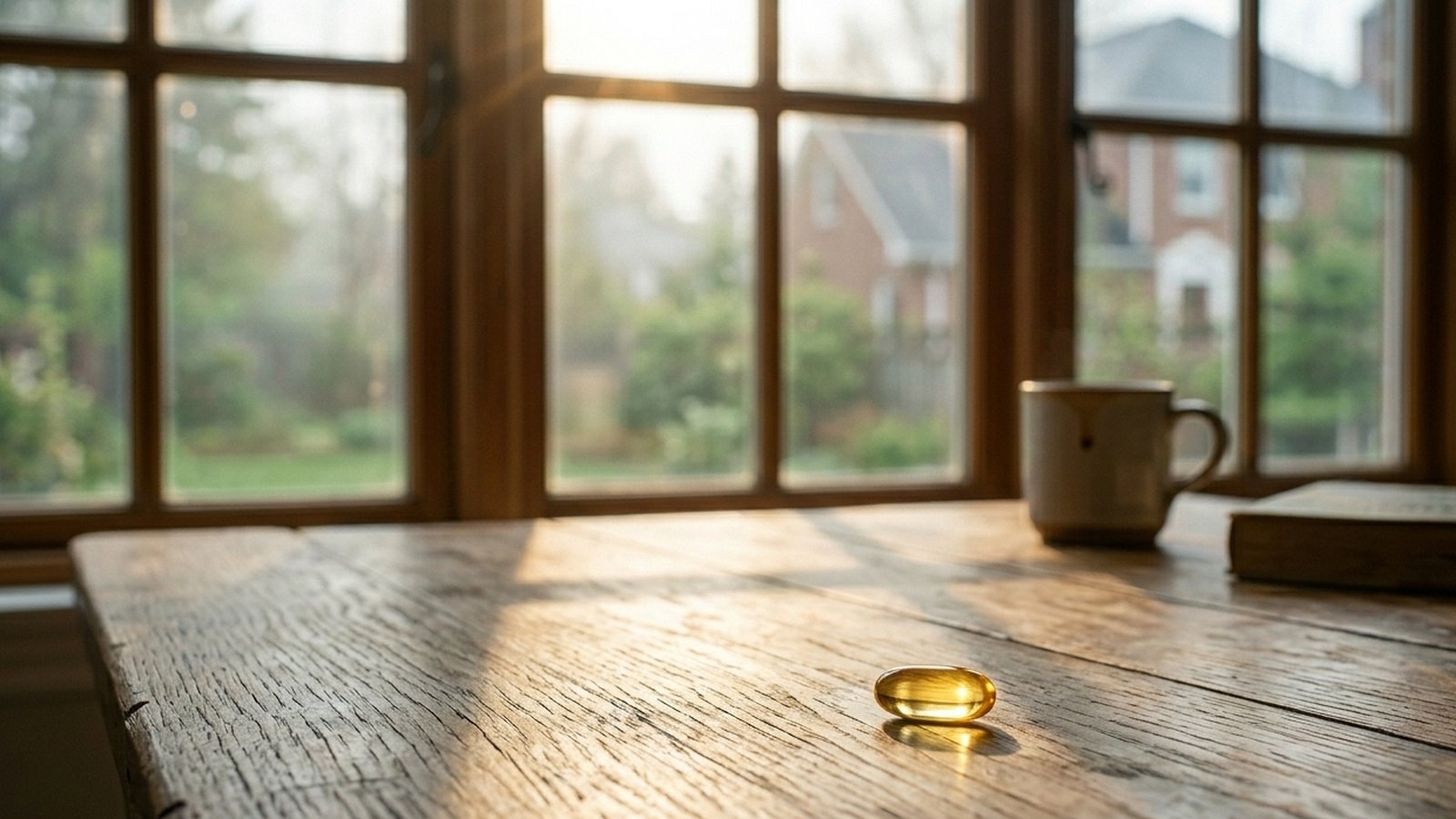
Dose precision matters. A typical strong coffee is 100–200 mg; a "venti" coffee can be 400 mg+.
References
- Grgic, J., Grgic, I., Pickering, C., et al. (2020). Wake up and smell the coffee: caffeine supplementation and exercise performance — an umbrella review of 21 published meta-analyses. British Journal of Sports Medicine, 54(11), 681–688. View source →